
Following the Screen Actors Guild strike and the COVID-19 pandemic, the movie industry, as it was known, appeared to have been dealt its death knell. In the past year, however, film has rebounded behind huge 2025 releases like Paul Thomas Anderson’s gritty action thriller “One Battle After Another,” starring Leonardo DiCaprio; Josh Safdie’s ping pong epic “Marty Supreme,” starring Timothée Chalamet; and Ryan Coogler’s Southern gothic action thriller “Sinners,” starring Michael B. Jordan.
The year was marked as well by the release of long-awaited projects such as “28 Years Later: The Bone Temple” on Jan. 16, coming after Danny Boyle’s 2025 film, “28 Years Later,” which sought to revisit the world of his 28 Days and 28 Weeks Later movies respectively after nearly a two-decade hiatus. While the entertainment industry has faced frequent complaints over creative stagnation, excitement continues to build around these legacy sequels. But the movies are exceptionally well done. Both “28 Years Later” films received rave reviews, especially “The Bone Temple” for its revitalization of the zombie movie subgenre.
“The Devil Wears Prada 2,” which was released on May 1, grossed more than $433 million globally in less than two weeks, stunning even fans of the original 2006 fashion comedy classic. The trend of building out these properties (even some that feel little need for sequels) shows few signs of stopping, particularly as major studios continue to consolidate, and these films continue to churn out both box-office success and critical acclaim.
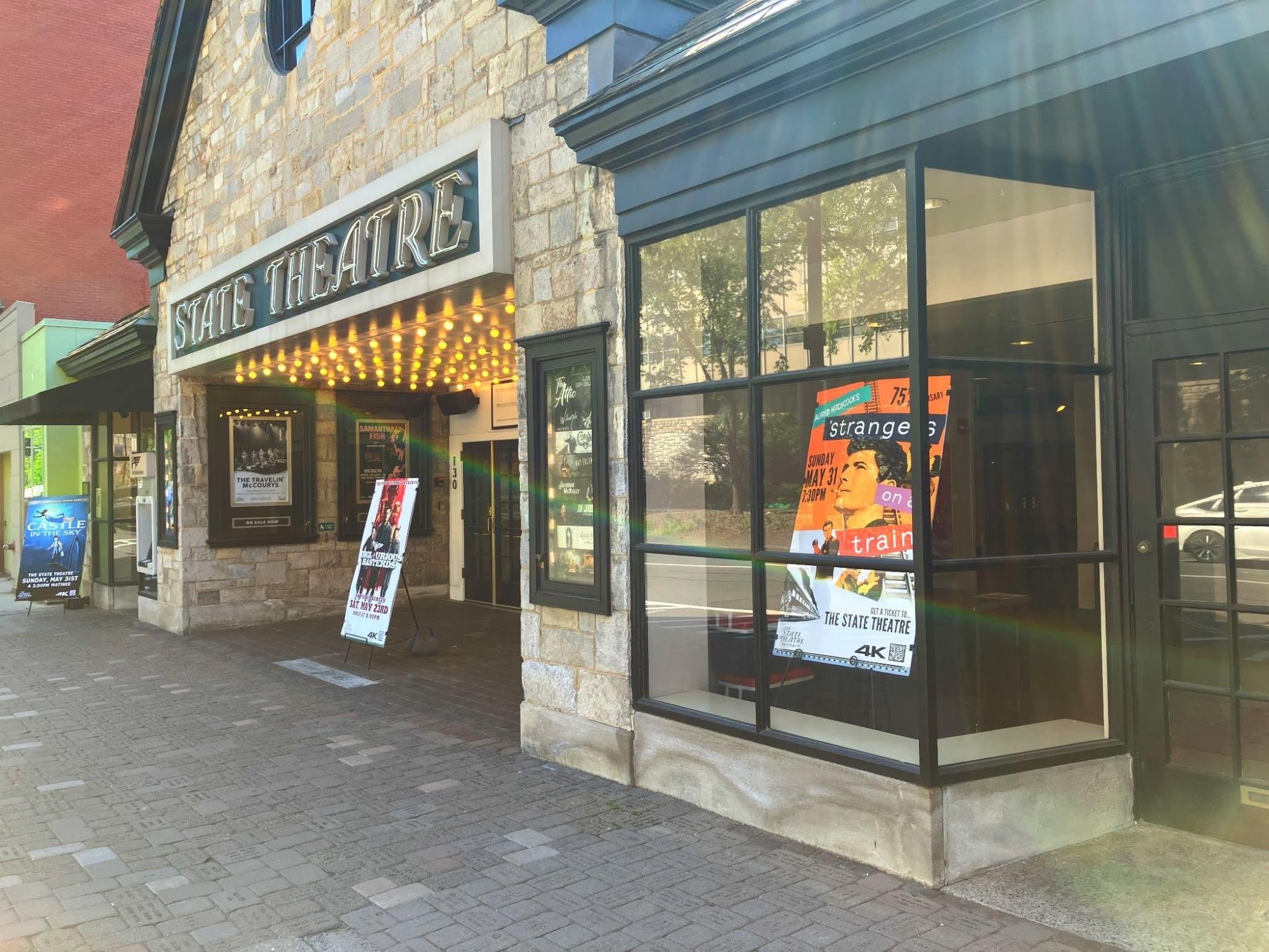
More striking than these unique projects and big-name stars is the movie theatre renaissance occurring right now. Fandango, in its yearly film trends study, found that Gen Z is increasingly turning back to the theatres, attending an average of seven movies a year. People are starting to look for ways to go back to an analog lifestyle, as intrusive and even pervasive online culture has become too much. Movie theatres like State College’s State Theatre have found a new life as popular hubs for people to watch older classics while getting the classic theatre experience. The State Theatre provides an “alternative viewing experience” as considered by Fandango, the type of which 89% of the generation have expressed interest in.
Both College 9 and College 12 have become increasingly popular spots for students to hang out, given State College’s long-time dearth of entertainment options for high schoolers.
Audiences are seeking out the cinematic experience of the movie theater once again, and these market trends have pushed studios to release more blockbuster-worthy flicks. February brought Warner Bros. ’ “Wuthering Heights,” starring Margot Robbie, Jacob Elordi, and the up-and-coming Owen Cooper, who looks to follow up on the mammoth success of Netflix’s one-shot masterpiece
“Adolescence.” March saw the release of Andy Weir’s interstellar quest for connection and salvation, “Project Hail Mary,” starring Ryan Gosling, with an enormously positive reception from Amazon MGM Studios. April saw the release of “Michael,” centered on Jafar Jackson’s performance as his late uncle Michael Jackson in his debut role.
Studios are taking big swings on big projects meant for large screens because today’s young adults recognize the value of that experience. The pandemic era left a poor taste in the mouths of these generations, which has prompted a decided rejection of streaming as the future of the movie industry, seeing as it lowers the quality of the experience, leading to the moment where every story became serialized and cheapened. With the exception of October’s “Frankenstein,” by Guillermo Del Toro, released by Netflix, the hits of the year have come from the theatres and been of that large-screen, cinematic scale.
The single largest trend that has driven interest in movies is also the rise to the mainstream of independent film studios like A24 and NEON, among others, over the past several years. Each independent studio builds a very deliberate brand. Both NEON and A24 have distinct styles, which they use to carefully tailor their film lineups visually and stylistically.
The unique pieces that come out of companies like A24 have helped to inspire the next generation of filmmakers who aspire to make movies with a little more style than is typical of the major blockbuster franchises. State High will be graduating one of its largest groups of student filmmakers through its IB Film program among the class of ‘26. This is a watershed moment because as the seniors leave they’ll take the IB Film program with them as State High will no longer offer any IB course going forward.
Despite the end of the program, optimism surrounds the film program as underclassmen anticipate the first year of Advanced Cinema Arts next year and the third SCOSCARS (State High Film Awards) as the film and media scene continues to expand. One of the most active filmmakers in the scene, senior Nate Tranell expressed excitement to pass the torch to the next class of writers, directors, editors, and actors who will carry the mantle of State High film.
“I think the future is incredibly bright. […] I do think there are a lot of talented filmmakers in the class of 2026 for State High, but the beauty is that we’ve also been able to help juniors and sophomores. We’ve been able to talk to students and see them kind of get their own feel for making movies, which is what we all did over the past few years. For the junior class, coming up, there are a lot of really talented people who are able to make really good movies and will do probably better things than we are. This is the second year for the SCOSCARS, but this year is literally going to be better than ever,” Tranell said.
But is film back? Can we expect a new golden age for the silver screen? It’s hard to say. The industry has always been among the hardest to “make it” in, and while independent film studios exist, providing more opportunities and creative freedoms to start-up filmmakers, layoffs across the board, as well as the growing prevalence of artificial intelligence, make the industry harder than ever and the future incredibly uncertain.
Senior IB film student, College 12 employee, and intended film major at Penn State Andrew Haag shared his thoughts on the future.
“I think that overall this year is going to be very good for movies,” Haag said. “So this year is going to be more like ‘movies are back’ than last year so I think there’s still a little more nuance. I think there are still going to be slow periods in Hollywood […] I think that the movie industry is going to expand more this year than it did last year.”
Regardless, it has been one of the strongest years for theatres in a long time, and people project that by the end of the year, box office totals could even reach pre-pandemic highs, and it’s tentatively safe to say that at least for now film is ‘back’ in its classic form. Major productions are only sustainable if people continue buying tickets, going to theaters, and staying excited about films and timeless movie magic.