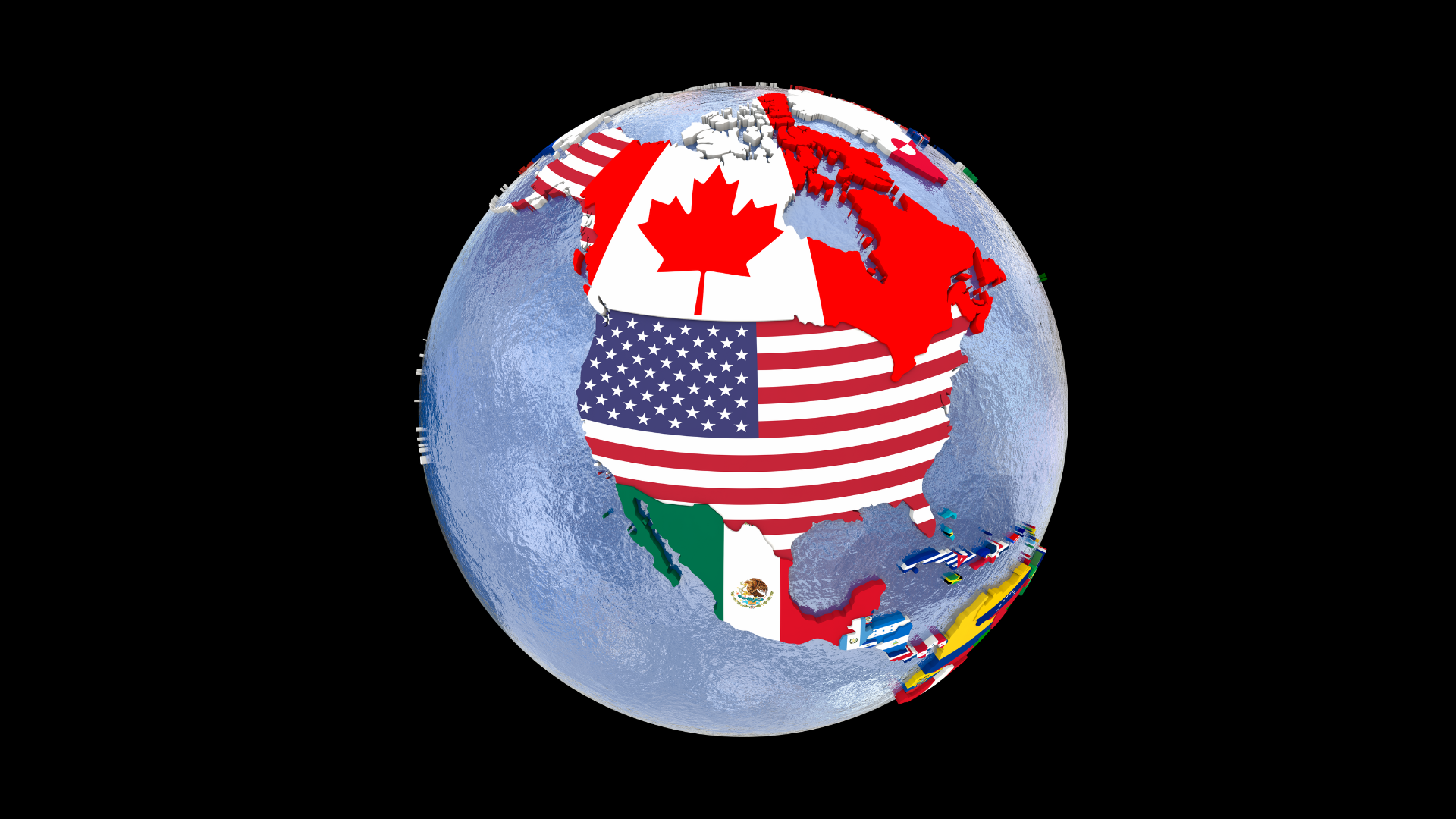
Politics: the topic that you shouldn’t talk about during dinner because you are just going to end in disagreements, or at least that is what they say, although some teenagers talk about politics at home without even developing their critical thinking skills. Even if it is not a completely taboo topic, students at State High usually find a variety of personal opinions regarding global politics from many different sources, since it is not the easiest topic to talk about with your peers. Many of our students are uninformed about it, or worse, are just informed about what is happening in their country, the United States.
I strongly believe that knowing what is going on around the world can help us anticipate possible things that could happen in our country. So even if you don’t need to know how the rest of the world works to keep up with your life, it is critical if you want to acknowledge how things really are, and it can help you open your eyes to aspects of your environment that can stand some improvement.
The United Nations General Assembly high-level General Debate ran from Sept. 23-27, concluding on Sept. 29. These annual meetings, attended by representatives from all 193 UN Member States, are held to discuss and debate global issues like poverty or climate change, and ultimately affect the entire world. Because of this, understanding what is going on around the world can be helpful for students to analyze the speeches, goals, and priorities of each country.
“I think if they have time, for sure that they should definitely pay attention to the news and the UN meetings are something that are critical for not only the United States, but, you know, our allies as well,” Tyler Kaluza, a Social Studies teacher at State High, said. “And I think anything that the kids can do to keep up on current events is important.”
Unfortunately, not everyone in our high school does their part to stay up to date with what is currently happening all over the world. The fact of the matter is that it is not as easy as it seems; everyone must do their part..
“Even myself, I feel like I could be more informed,” Brian Smith, an AP Politics and Government teacher at State High, explained. “I think our students are very informed, but I think everyone could always be more informed.”
Nevertheless, Kaluza gave a glimmer of hope. “I think it’s our job as history teachers to show what’s happening in the news, show what’s happening, not only in the United States, but globally,” Kaluza said.
Still, it would be difficult for our students to understand global politics without understanding history.
“I think that’s why I try to wrap in current events as much as we can in class, because there are parallels that have happened in years past, and I think as a U.S. citizen or a global citizen, it’s important to keep up [with] what’s happening, because it’s going to affect you,” Kaluza said.
Junior Emelia Marquis, a student of Kaluza, understands his point of view: “I think it’s still really beneficial to learn what’s happening now as it is to learn what happened back then.”
Therefore, being informed as a student is essential, but being able to not only understand but also have a strong and critical opinion about global politics is also an important skill that every teenager should have.
“So I feel like students doing their own research could be very helpful to learn about their personal beliefs and what they want to learn about,” Marquis explained.
“There [are] so many cause and effect relationships; you look at history, a lot of things have happened before, and we want to make sure that the bad things don’t happen again,” Kaluza said.
Thus, history and critical thinking play important roles in global politics as they prevent society from committing the same mistakes again and again. Knowing about what is happening around the world, and not just in the US, may help you improve some aspects of your environment or even prevent certain problems that might arise in your country.