Content Warnings: Discussion of eating disorders such as Anorexia and ARFID. For more information on resources, please see the bottom of the article.
Thanksgiving is a holiday almost wholly centered around food. The expectation of simply eating and enjoying food on Thanksgiving may not seem like a big deal to most, but for people with restrictive eating habits and sensory issues regarding food, it’s a huge deal walking into the dining room on Thanksgiving.
Restrictive eating habits and disorders, such as Anorexia Nervosa, and ARFID (Avoidant Restrictive Food Intake Disorder) can make the holiday feel like a trainwreck rather than a day full of thankfulness.
Junior Lily Haines has ARFID, and said, “Thanksgiving is so overwhelming,” and not just because of the effort that goes into preparing for the holiday or seeing family, it’s because of the food itself.
Junior Micheal Shea, who deals with restrictive eating, said, “It’s just kind of a big expectation…the ‘big family dinner’ that will inevitably happen…The main purpose is to eat with your family.”
Eating while in the company of others could be a challenge for people with restrictive and non-restrictive eating disorders for a variety of reasons, ranging from shame surrounding the act of eating, to paranoia, or simple discomfort.
Senior Tom Zipf, who has dealt with anorexia in the past, said, “The worst part about it is that you don’t really get to enjoy it…Making choices is really bad…it becomes impossible to make decisions and just that overwhelming abundance of [food]…gets really stressful.”
The importance placed on food, as well as the variety and amount of food surrounding someone with restrictive eating habits, fully changes the way that these people experience the holiday.
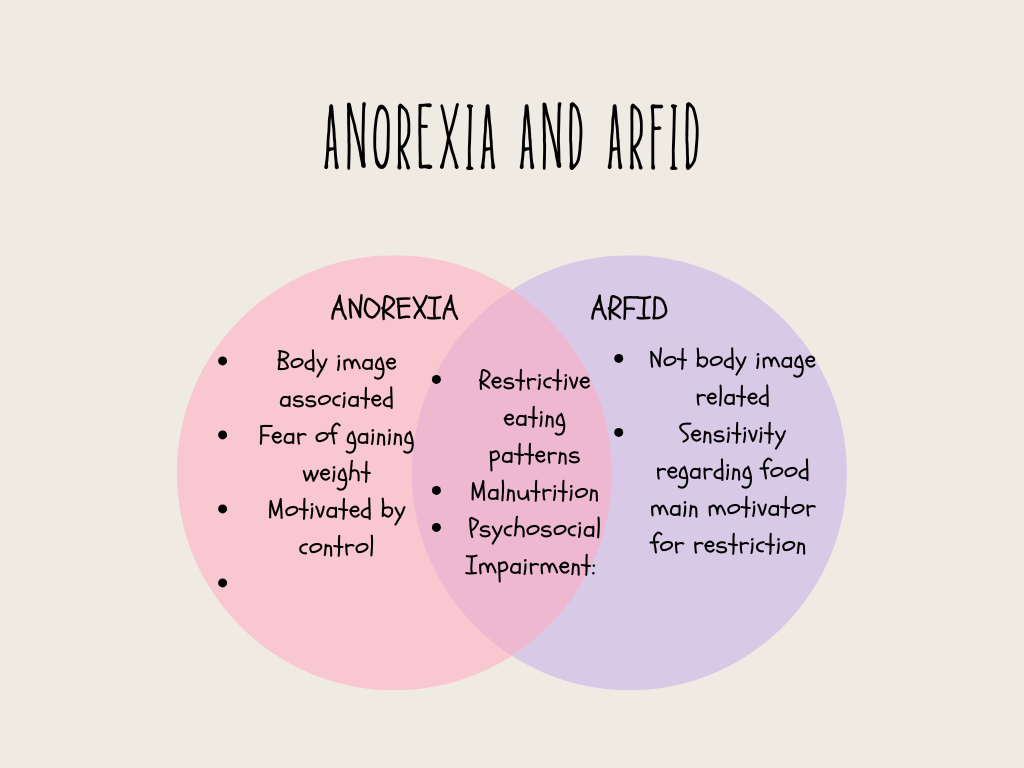
ARFID is categorized as a restrictive eating disorder that is not body image-based, but rather the restriction of one’s eating comes from sensory sensitivity, a general lack of interest in food, or a fear of the consequences that may arise from eating (choking, pain, vomiting).
“The texture of the foods, they get to me, I just wanna throw up,” Haines said.
Thanksgiving is a struggle for many people with ARFID. It amplifies the anxiety and discomfort that comes with being around food that many with the disorder experience. Being around large amounts of different food, especially during Thanksgiving when the food presented has a wide variety of scents and textures, can result in sensory overload for people with ARFID.
Although ARFID and anorexia may look similar, as people who deal with either disorder may eat less than three meals a day, may not eat enough to sustain themselves, and have general sensitivity regarding food, Anorexia is body image and control-based. Restrictive eating for someone who has Anorexia is driven by a need to control their food intake and body, or a fear of gaining weight, while ARFID is not.
“You have the desire to control everything, and it turns into restricting calories, and looking at the micronutrients and becoming over-analytical, and making sure you’re in a caloric deficit,” Zipf said.
ARFID and anorexia are different in many ways, but Thanksgiving is often experienced as a stressful and overwhelming holiday by those who have any restrictive eating disorder.
“Because there’s so many foods, and people that you’ve gotta interact with…and if you have a weird feeling about certain foods, at that point, you just feel like everyone has eyes on you,” said Haines.
When people with ARFID have a ‘weird feeling’ about a food, it’s not in the same way that the average person may have a weird feeling. The smell of the food becomes intensified, the texture turns vile, and the food in general becomes inedible.
Shea said, “It’s just kind of uncomfortable to be like, made to eat a lot of food.”
Thanksgiving places a lot of expectation on eating a lot of food, especially in front of people, such as an entire family, in Shea’s case, a stepmom in Georgia and her kids, people she doesn’t see as often.
Shea’s parents are immigrants from Norway, and she explained, “They’re kind of pushy with eating food. It’s always been ‘do not leave any left on your plate’ so it kind of makes me feel a little uncomfortable.”
Zipf said, “Everyone else is controlling what you put on your plate and being overanalytical of it…The entire time, it felt like everyone was just kind of staring and judging you.”
Sometimes that judgement can be imagined, other times it can be outright.
ARFID and anorexia typically, but not always, result in the person who has the disorder appearing skinny, or looking like they restrict their eating, which can cause awkward and intrusive interactions when dealing with family members who may not have the sensitivity or social awareness required while commenting on other people’s bodies.
However, Thanksgiving doesn’t have to be a completely stressful and unenjoyable event for people who have struggles regarding food.
“The easiest way to think about it was just that it was gonna be another meal that I was sharing with my family,” said Zipf.
Haines usually eats before the actual Thanksgiving feast. “I don’t like turkey, so my parents have to make a whole new meal, so instead of me getting turkey, they literally make ham for me,” she said.
Turning to ‘safe foods’ and support from family is always an option, and there doesn’t have to be a taboo surrounding it.
Zipf said, “In the future, what am I going to value here? Am I gonna be thinking or remembering the amount of carbs or protein or fat that I ate at this meal, versus actually enjoying company with people that aren’t gonna be here much longer?”
For Zipf, family is just as memorable and important an aspect of Thanksgiving as the food. “I couldn’t tell you how many croissants I ate or how much turkey I ate, I just remember hanging out with my cousins.
Resources for:
https://www.nationaleatingdisorders.org/
https://www.upmc.com/services/behavioral-health/programs/eating-disorders/for-families/resources
https://www.nimh.nih.gov/health/publications/eating-disorders
https://my.clevelandclinic.org/health/diseases/24869-arfid-avoidant-restrictive-food-intake-disorder
https://www.nationaleatingdisorders.org/avoidant-restrictive-food-intake-disorder-arfid/