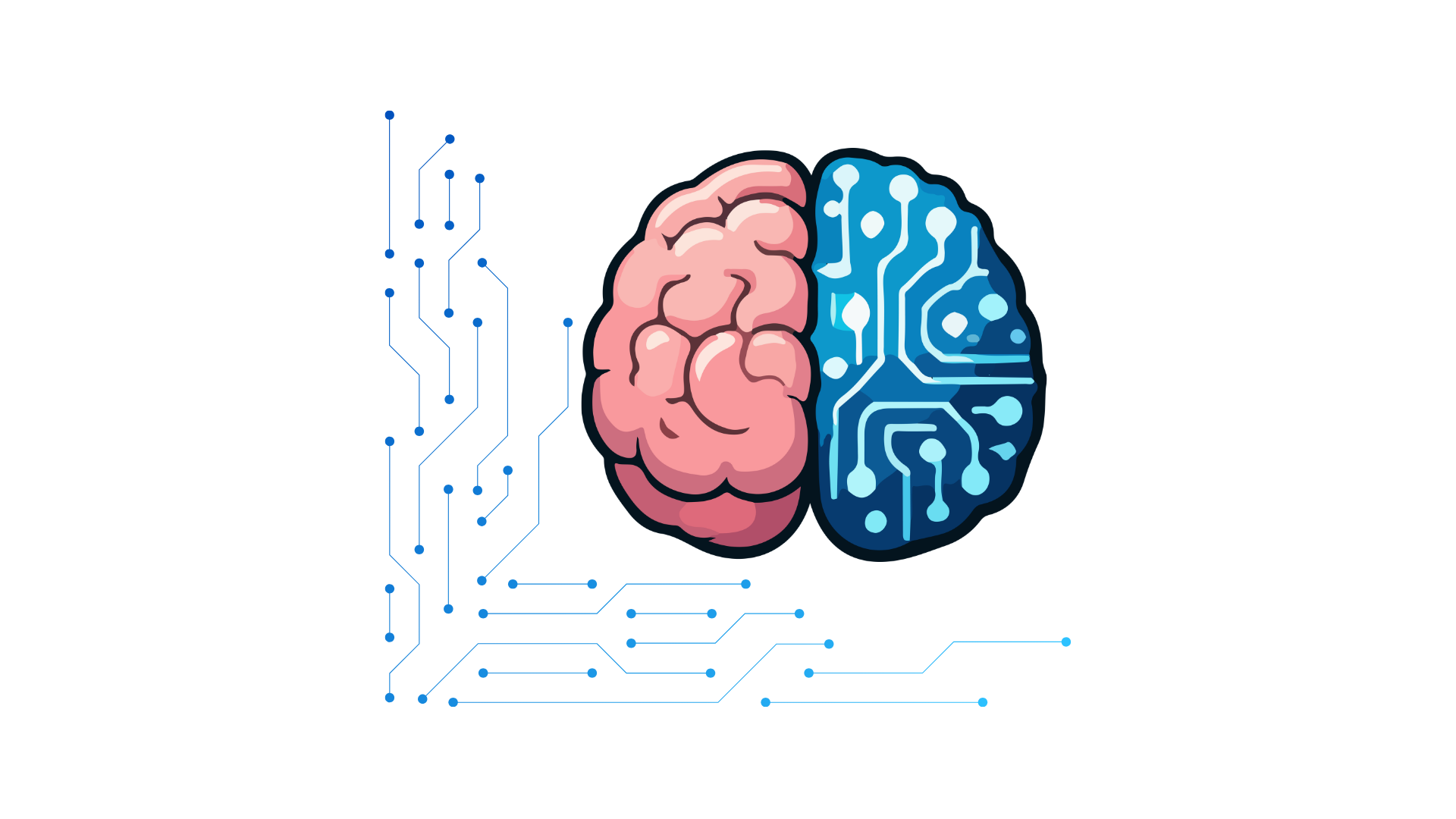
Artificial Intelligence (AI) is one of the most problematic things for our society and is quickly overtaking our current generation.
The use of AI in K-12 classrooms is quickly increasing at an alarming rate, which raises concerns about its effect on students. Students are becoming more reliant on it than ever before, as more technology is being introduced.
“I think it has the potential to be a good thing, but people are overusing it and taking it too far and using it to do the thinking for them and work, so it has potential, we’re just not going in the right direction,” freshman Olive Hollis said in response to the question on whether or not AI is a good thing.
People frequently forget that AI is relatively new to our world, with ChatGPT (a major AI platform) only being three years old. We are still new to regulating it and learning the boundaries of when to use it and not.
“It’s like everywhere, wherever you see, like AI, it’s usually stuff like ChatGPT. And I think that could grow in the future, which I don’t think would be helpful for our generation,” freshman Brenna Bucher said regarding her thoughts on AI and the use of ChatGPT.
The major problem frequently faced by teachers, specifically, is the worry that AI will negatively impact students’ critical thinking and research skills. When students rely on AI to do the work for them, whether it be because they don’t understand the work or simply because they don’t feel like doing it, it impacts their life skills. They lose the opportunities to learn how to ask questions when they don’t understand in class, or they don’t pick up how to persevere when lacking motivation for assignments
Furthermore, a new study by the Brookings Institution’s Center for Universal Education uncovered that using artificial intelligence in education can “undermine children’s foundational development” and that “the damages it has already caused are daunting,” but are ultimately “fixable.” In relation to the study, it is shown that AI is a problem when it comes to students’ cognitive development, mainly slowing down the process of learning.
Individuals put their own thoughts into the AI apps and let it do the rest of the problem-solving and thinking for them, usually skipping any explanations the AI app offers. These habits are similar to the cognitive decline of the elderly or aging generation, something that at all costs we should strive to avoid.
Moreover, AI promotes academic dishonesty. Students frequently have found ways to avoid studying, writing essays, and completing math homework. These three things are important and valuable tools for students preparing to go into college, as well as getting jobs in the future. Yet students have shown that their focus is simply on the present and doing as little as possible in a short amount of time.
Freshman Ainsley Barabas gave her take: “I dislike how reliant people are on it, and I’m scared for whenever they get to the workforce and become the main people that are moving our society forward.”
In addition, high school students have access to thousands of AI apps that they will pass around and share with their peers to get ahead in studies and tests. This promotes less active studying and no practice of time management skills since AI does the hard work for them.
The bottom line is that AI may be able to generate essays, but it can’t generate growth, which still needs to come from us.