
It’s been four years since we last talked. If I had to guess, you’re probably sitting in a hammock reading a book or riding a bike through the vastness of the forest; perhaps basking in the warmth of the same sun that now sets before me.
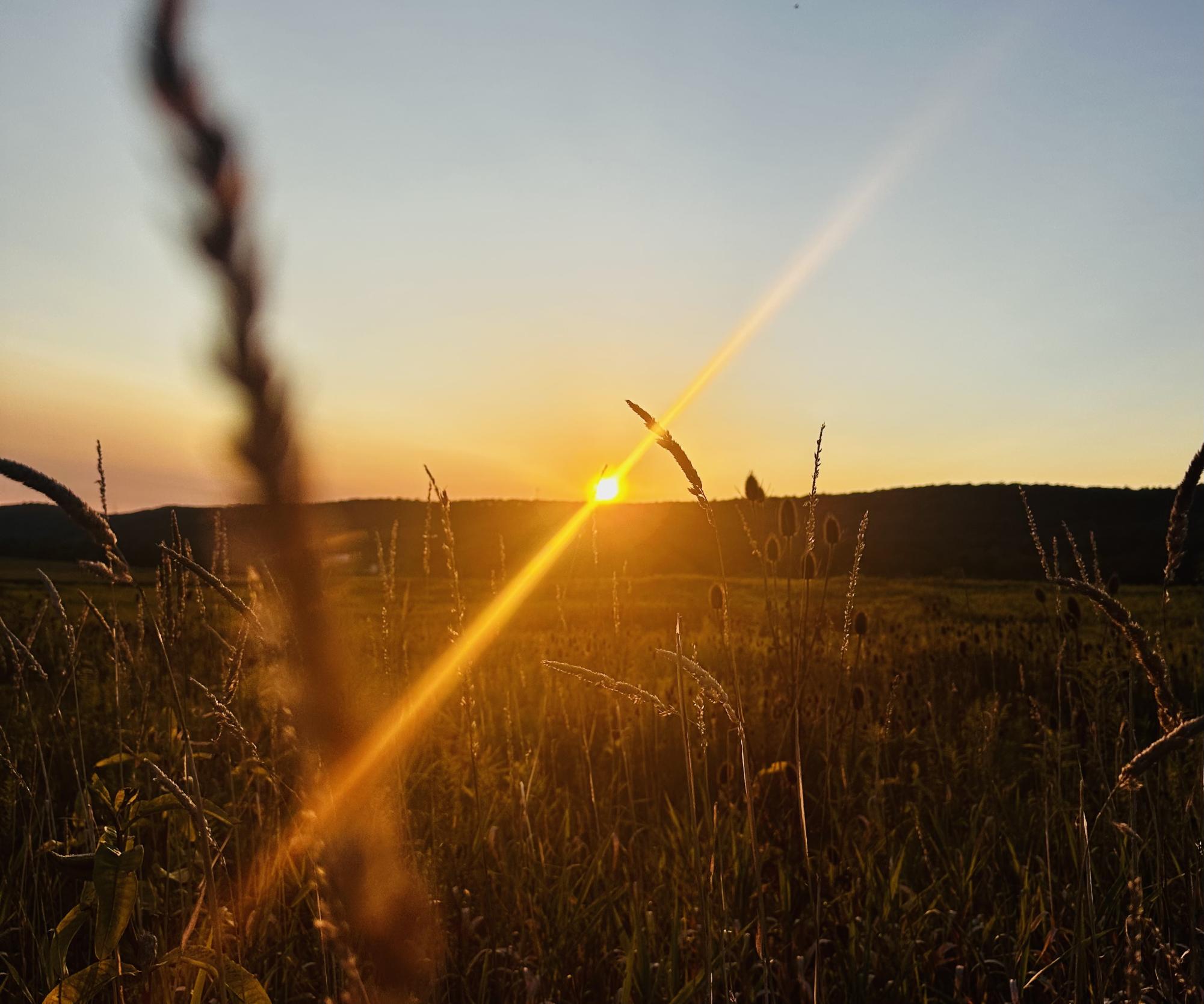
It’s a beautiful sunset. By whatever means you receive this letter, should it meet your acquaintance — be it the mechanisms of memory or the breeze of a wistful wind flowing in reverse — I must warn that I am not here to dole out advice, nor is my intention to prevent you from making the mistakes required by all adolescents.
I’d rather spend this time describing to you the colors of tonight. This sunset is spectacular, after all.
I’m at the meadow now. You haven’t found it yet — someday soon, you’ll make the daily trek a mile down the road; past the gravel parking lot and the old sign where the orb weavers twist their webs, there is a path of green, and it leads you to a bench. It is here you’ll devise your best stories, transport yourself to other worlds through the written word, and sometimes, simply linger and watch as the gold turns to grey.
It’s very green, this meadow. That’s the first thing you’d notice — the emerald blades of grass, alongside the sedge, shamrocks, and sage. You’ll know green well by this point. In the summer, forest green is the color of the trees in the Scotia game lands; your bike, painted a striking chartreuse, would rush between the trunks of pine and oak as you explore a wilderness as boundless as your imagination. It’s here that you got your first tick. By that, I don’t mean the sound a clock makes — rather, the blood-feeding parasite that gave you Lyme Disease.
At the meadow, if you were here now, you would witness something wonderful: all around are the vibrant, early blooms of goldenrod; the sun has truly begun to dip, its rays, too, are golden. That’s the color of summer — when life was less complicated; just as yellow is the color of the summer when life got complicated, for the sun doesn’t discriminate based on sentiment.
Orange is next. As the day descends, so too does the sky into lively embers and streaks of fire weaving through the clouds like burning honey. But by now, orange belongs to the nights.
You’ll spend a lot of time in the dark in these four years. Not all of it’s bad. Some of the best hours of your life will happen after midnight — whether it be exploring a parking garage at 3 a.m. or walking the streets of the nation’s capitol with newfound friends of a similar mold, all under tungsten lights matching the color of today’s horizon.
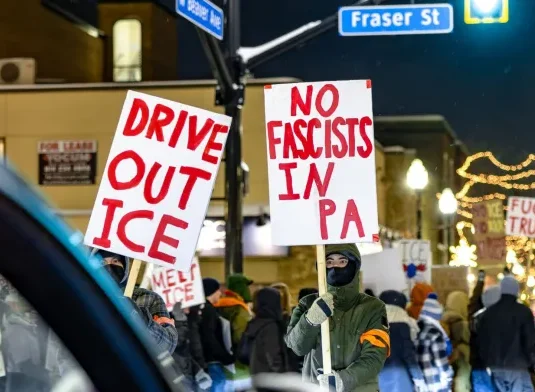
But orange is also the color of warning, of a fire burning at the edges. Junior year will arrive, and it will be beautiful and crushing in equal measure. More classes than you can carry, less sleep than your body can survive. You’ll eat cookies for lunch, because after Lyme, the salad made you nauseous; so does physical activity, so your track career ends with a whimper. Your first all-nighter will be spent grappling with the implications of an election gone wrong, sitting with a fear you don’t even have the years to hold — reckoning with a world too far gone, yet a conscience unwilling to concede. Then you won’t really sleep the same way again; there’s too much work to do at that point. Eventually, you’ll fall asleep in a bathroom stall, because those long nights and orange lights made you feel so lonely that the only solace to be found was in sleep.
I won’t tell you it gets better; that’s not my purpose, and it would spoil the twists and turns of time. But I must admit — it does get different; the darkness starts to have a texture of sorts, something you can navigate under the shades of amber and fire and honey.
At this point in the evening, it’s the fire of the firmament that would draw your gaze — the oranges give way to deeper reds; the sun itself turning nearly as crimson as blood before its final descent. It’s the color of a diner — a 1950s working diner in downtown State College, on a cold November night, where you, seven actors, and your closest collaborator in the world have taken over the back booths to film a noir. The neon bleeds onto the linoleum, captured with your iPhone camera. You’re seventeen years old and making something that feels, for the first time, like the thing you’ve been building toward your whole life.
Eventually, the fire goes out, the way fires do. The ashes aren’t dramatic; they’re just brown — the next thing you’d notice with the dimming light of dusk.
The brown trunk of the fragile infant tree growing a few steps away; the brown of the soil, should you let your book fall to your lap and your hands sift it. It’s the color of Cocoa Krispies and Chocolate Cheerios on a Tuesday afternoon — a combination only one person in the world would have invented; only one person could have made it feel like the most natural thing there is in life. Thus, brown is his couch; it’s a cartoon about rebels in space, which neither of you would have admitted meant as much as it did.
Brown is a Tuesday that, suddenly, ends. I won’t tell you when. I’ll only tell you this — on that final day, when the nightmare finally passes, you’ll be surprised even though somewhere beneath the surprise you already knew. The doctors say one thing and the calendar says another, and you choose to believe your heart because you need to believe something. And then June arrives the way June always does, indifferent to what you were promised.
You’ll speak at the funeral — last, an impromptu speech, and told you spoke best. You’ll carry his coffin, watch it go into the ground, not far from the house where there once lived a man with the Cocoa Krispies and the white hair and the sense of humor that shaped your own. And you’ll make a promise to yourself that you’ll never visit his grave. You’ve kept it to this very day. Maybe it’s because he’s still alive in some form within you; because your grandmothers, they’re still there; as are your family, your truest friends, and the dreams you hold to the standard of reality. Or maybe you’re just afraid.
You’re human, as much as I am. That’s normal. Maybe it’s even okay.
By now, night encroaches. The sun is long gone by now; the soil that served as a distraction fades from amber to ebony; so too does the radiance of childhood, receding behind the hills. The sky has gone purple now, the kind that hasn’t decided yet whether it wants to be night or evening. The last gasp of a familiar day, before it becomes something else entirely. Above me, the first stars have emerged — soon, there will be too many to count.
The meadow is dark now. The sedge and shamrocks have gone to shadow; the orb weavers are back at the sign by the parking lot, doing what they do best. The bike leans against the bench. Somewhere beyond those hills, the sun is warming someone else’s afternoon — maybe yours, freshman self, in the hammock, the book still good, the light still warm.
I hope you let it be warm a little longer.