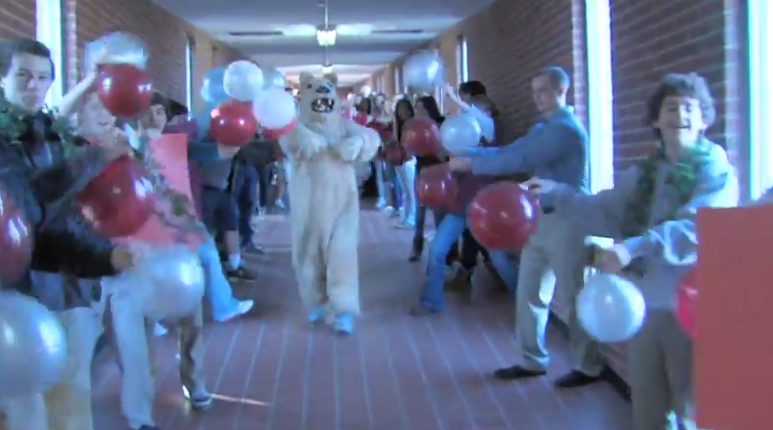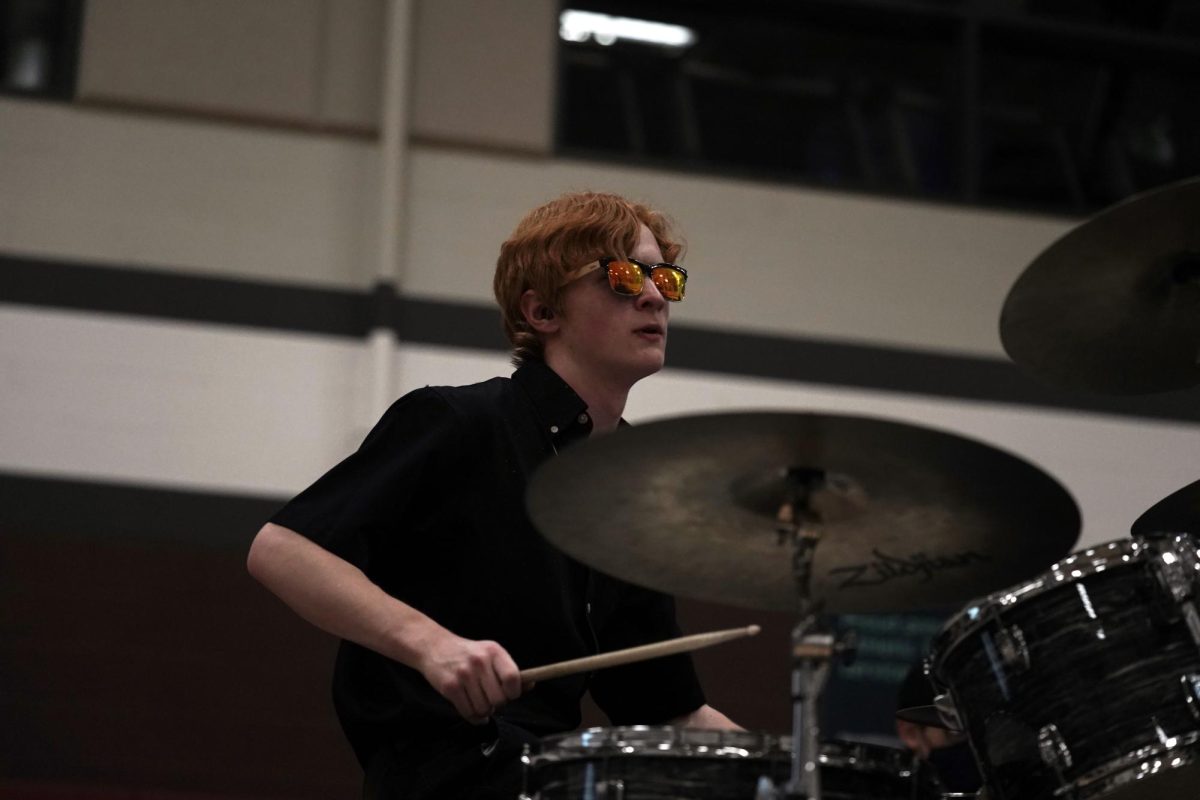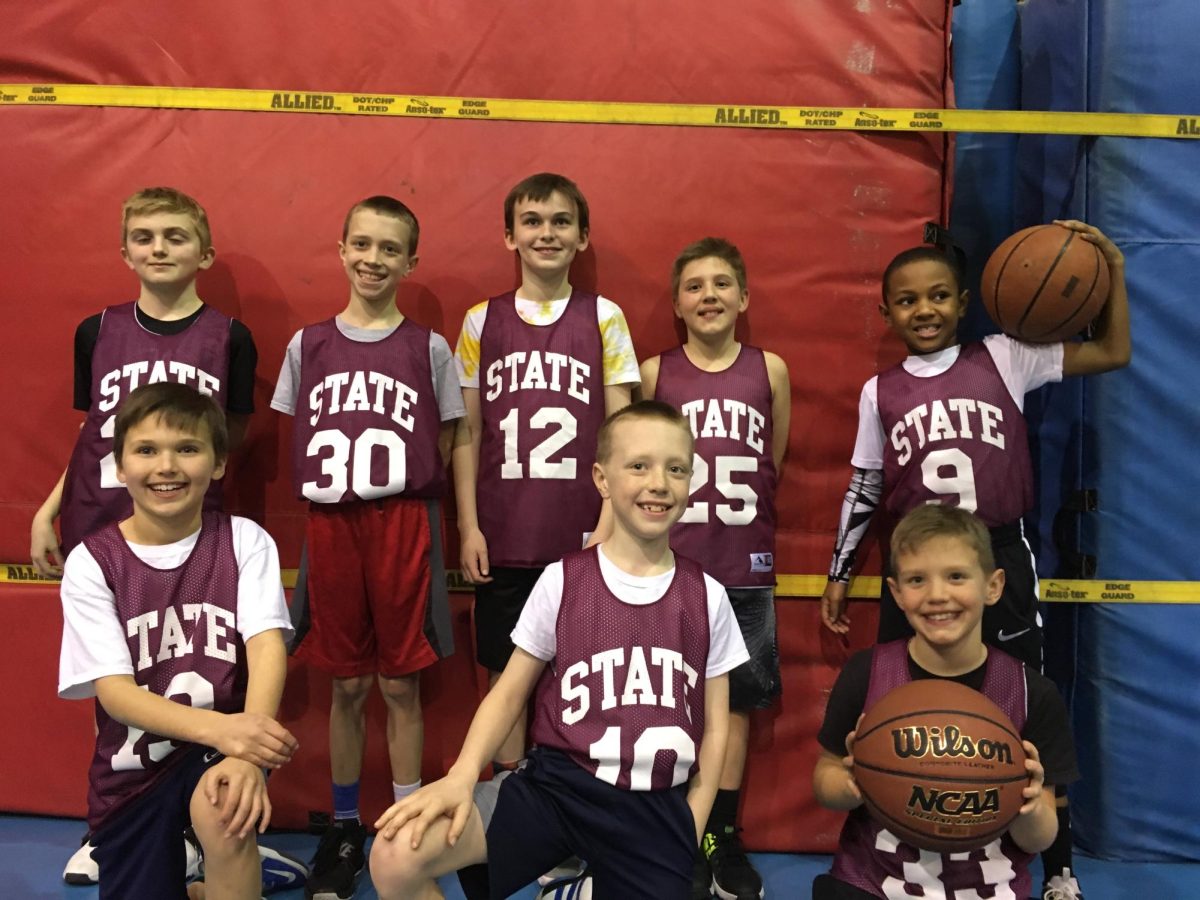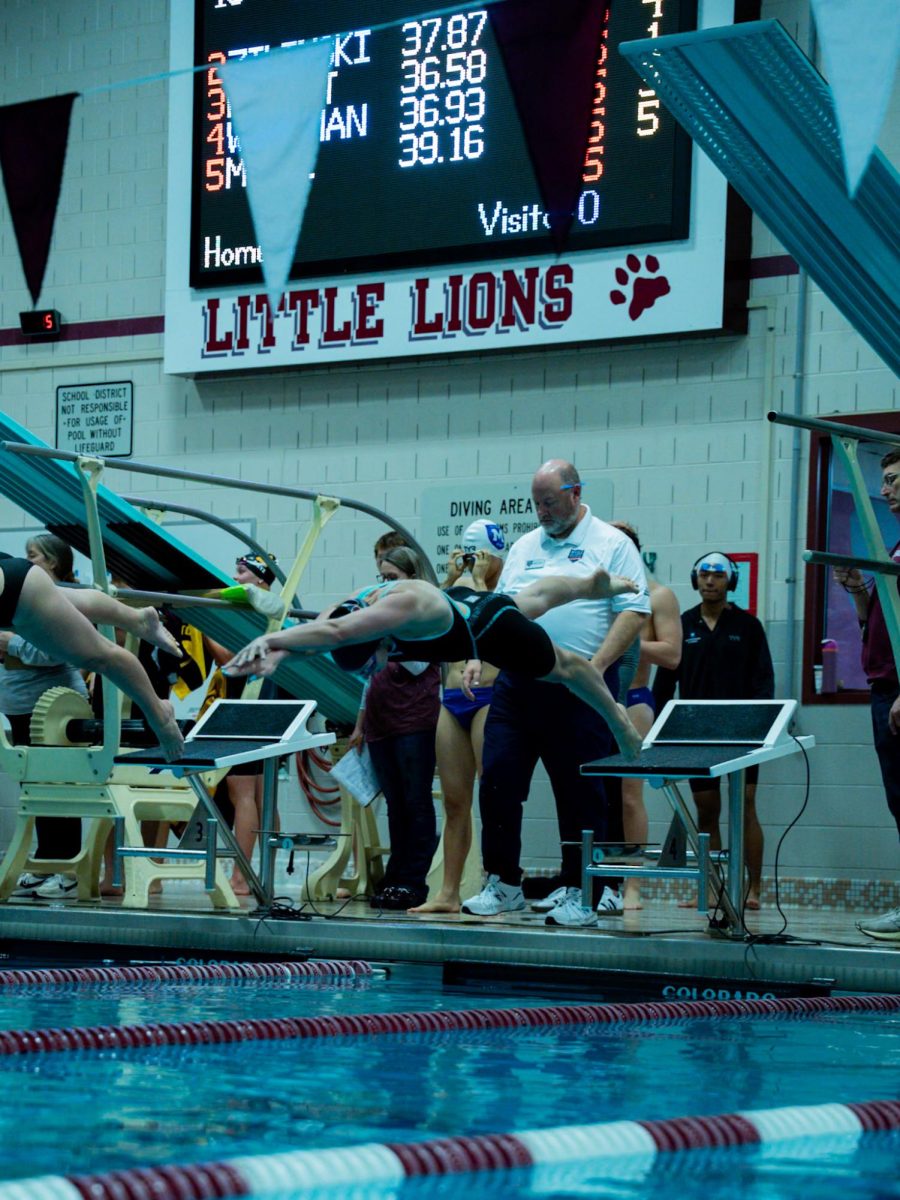
State High is a unique school with many extracurricular opportunities. According to State High’s website, the school has 73 student clubs and 31 athletic teams, giving the school district the difficult task of allocating funds to these activities.
Within the State College Area School District’s $200 million budget, there are pockets of spending, such as personnel, transportation, and school-wide budgets, that are further broken down into departments.
The district’s revenue comes from a variety of sources. Around 80% of the district’s budget is locally funded, coming from real estate taxes or earned income taxes from the residents in the school district. Just under 20% of revenue comes from the state in the form of subsidies for basic education or the education of the general population. The remaining about 1% comes from the federal government. But the school board decides how to distribute these funds.
“In our budget process…we look at how much it costs to turn the lights on in a building and keep the buildings clean, how much we need to allocate for all of our various teachers throughout the district, administrators, and then whenever it comes to student activities in clubs like football or Speech and Debate, it’s a little bit different a process,” Randy Brown, the finance and operations officer for the school district, said.
Brown said the amount of funding allocated to a club or sports team, like the State High Football Team, for example, is determined based on travel costs and the cost to host games at Memorial Field.
“The teachers have a bargaining unit association or a union that negotiates the amount of compensation that individuals will receive for coaching and advising positions,” Brown added.
Shai McGowan is an Algebra 2 teacher at State High and the President of the State College Area Education Association, which protects the rights of the professionals that work in the district. As president, McGowan also negotiates the compensation for advisors and coaches.
The current contract for teachers within the district was ratified in 2023 and expires in 2028, and McGowan said it “specifies that the district and the union needed to start negotiating extra duty, extra pay, which is what is the compensation for coaches and advisors. That negotiation had to start separately from contract negotiations. We are currently in that negotiation right now. It was to start by…the end of September 2025, and it did.”
The compensation is based on a point system, with the amount of points awarded to a club calculated based on the number of students and the amount of time that the advisors or coaches put into the program. According to McGowan, each point has a monetary value of $497.
“Since they were last determined, there has been a lot of changes in the number of hours probably that an individual is putting in, as well as the number of students that are participating in those activities. Some probably aren’t that much different, but I’m sure that many are very different. And so we’re working on a process with the union to understand that and move forward,” Brown said.
During negotiations, everything remains in the status quo unless special circumstances are discovered.
“It’s written in the contract that an advisor, if an advisor would like to have…the points for compensation to be audited, they can request that through me, the president. They can’t do it on their own because the school board can only negotiate with the president,” McGowan said. “While I have been president, nobody has asked me to proceed with that process.”
Additionally, the amount of money allocated to a club is only made once per contract. For example, if a contract was made when a club had 10 members in 2025, the funding for next year would not change even if the club gained new members in 2026. This process is especially crucial this year, as negotiations for a new extracurricular contract are currently occurring.
However, McGowan suggests this process may not be open to students. “I don’t know that students can get involved in that, because we’re talking negotiations, and students are not part of the negotiations on either the district or the teacher side,” McGowan said. “So while students certainly could express their appreciation for certain clubs publicly, when it comes to actual funding, I’m not sure that they can have a say in that.”
Brown recommends that students speak with Kelly Aston if they have any questions or concerns, as Aston was recently appointed to the new role of Student Activities and Athletics Manager.
“I think that by working with Mrs. Aston…and their advisors, there may be an opportunity to have some of that conversation,” Brown said regarding how students could get involved in the funding process. “As far as the compensation that advisors receive, the board has been getting some impact, been getting some comments from students during their meetings, but that’s more of a negotiated thing between adults, between the administration and the teachers’ union.”
Both Brown and McGowan strongly recommend that students host fundraisers for their respective activities, and both ensure that negotiations for future advisor and coach compensation allocations are underway.